mind training
Walk Through Your Own Front Hall to Remember More
The method of loci turns a familiar route into a memory filing system. A 2019 thesis hints at which kind of imagery helps most, though the evidence is thin.
Frank5 min read

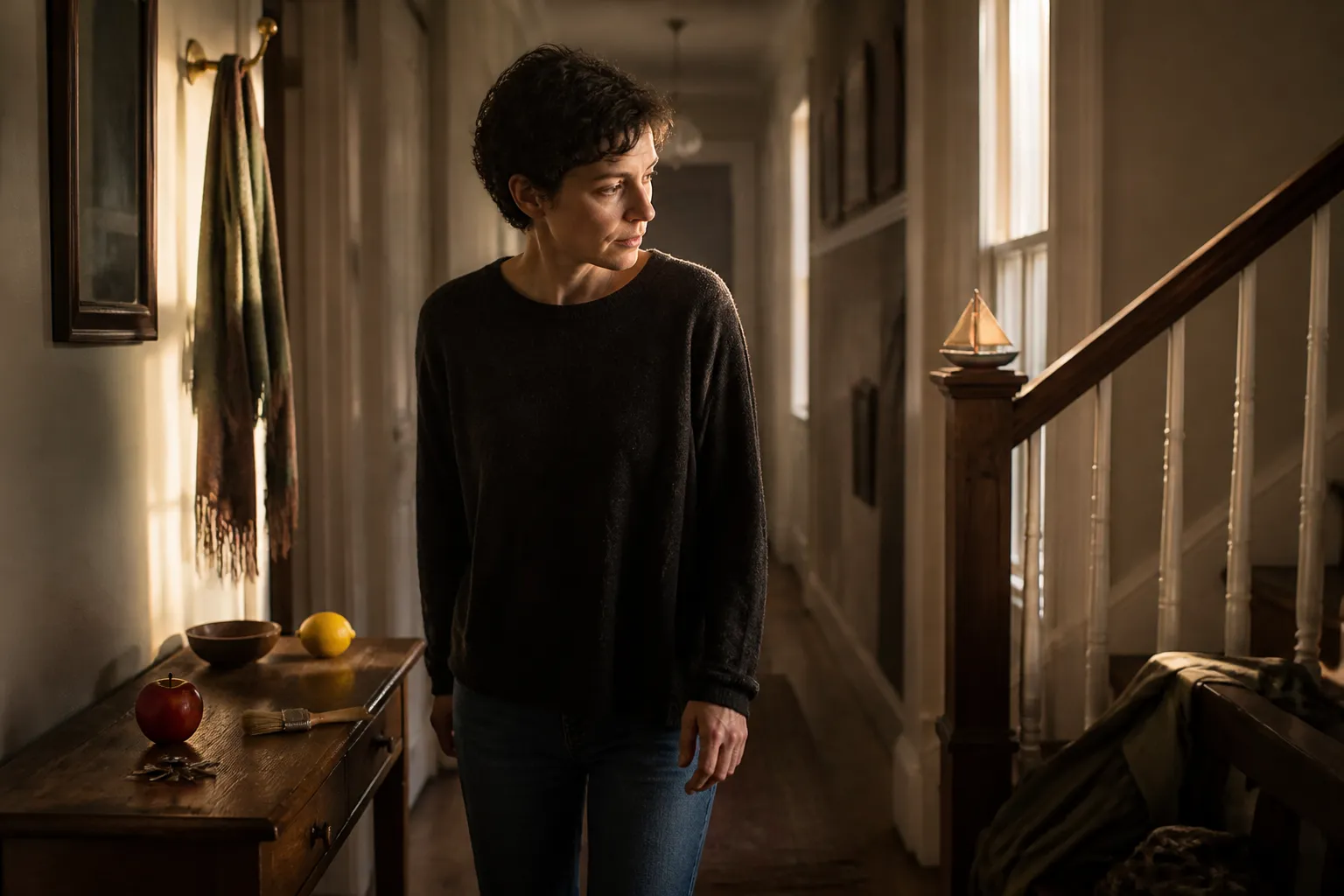
You can learn the basic move in about five minutes. You walk through a place you know, and you leave pictures of things along the way. Later you walk the same path and pick the pictures up. That is the method of loci, and it is old. Here is how it works, what one recent thesis found, and where the evidence runs thin.
What the method of loci is and why it works
The method of loci is an ancient memory technique. You imagine the items you want to remember as visual images. You place them in an imagined environment. Then you mentally travel through that environment to recall them. The route does the filing for you, so the order comes built in. This description comes from a 2019 Seton Hall University thesis by Louis Varilias.
The same source says numerous studies have found the method robust and powerful, especially compared with verbal rehearsal. Take that with a grain of salt. The excerpt cites no studies for it, so I cannot point you to any. The thesis also reports that neuroimaging finds the method recruits brain regions involved in spatial processing and episodic memory. That offers a plausible reason a familiar space helps things stick. It is a plausible reason, not a proven one.
The technique goes by other names too. Competitive memory athletes use variations of it, and you will see it called the memory palace or the Roman room method. National Geographic describes the USA Memory Championship, where competitors memorize hundreds of random words, dozens of strangers' life histories, and shuffled card decks.
A short and slightly shaky history
Legend credits the method to the Greek poet Simonides of Ceos, in the fifth century B.C.E. The story goes that a building collapsed during a banquet, and Simonides named the dead by remembering where each guest had sat. Treat that as legend. National Geographic presents it that way, and nobody has verified it as history.
The Roman orator Cicero is on firmer ground as a user. The same article says he used the method to memorize speeches. It also notes that Indigenous cultures used similar location-based techniques, such as songlines and ceremonial roads. The common thread is simple. People have long tied things they need to remember to places they know.
Building a palace in three steps
The thesis lays out three steps. Here they are in plain terms.
- Make each item a concrete image. Do not repeat it aloud. See it.
- Place the images in an imagined environment. The source calls this the core of the technique.
- Travel a set path to retrieve them. Walk the same route, in the same order, every time.
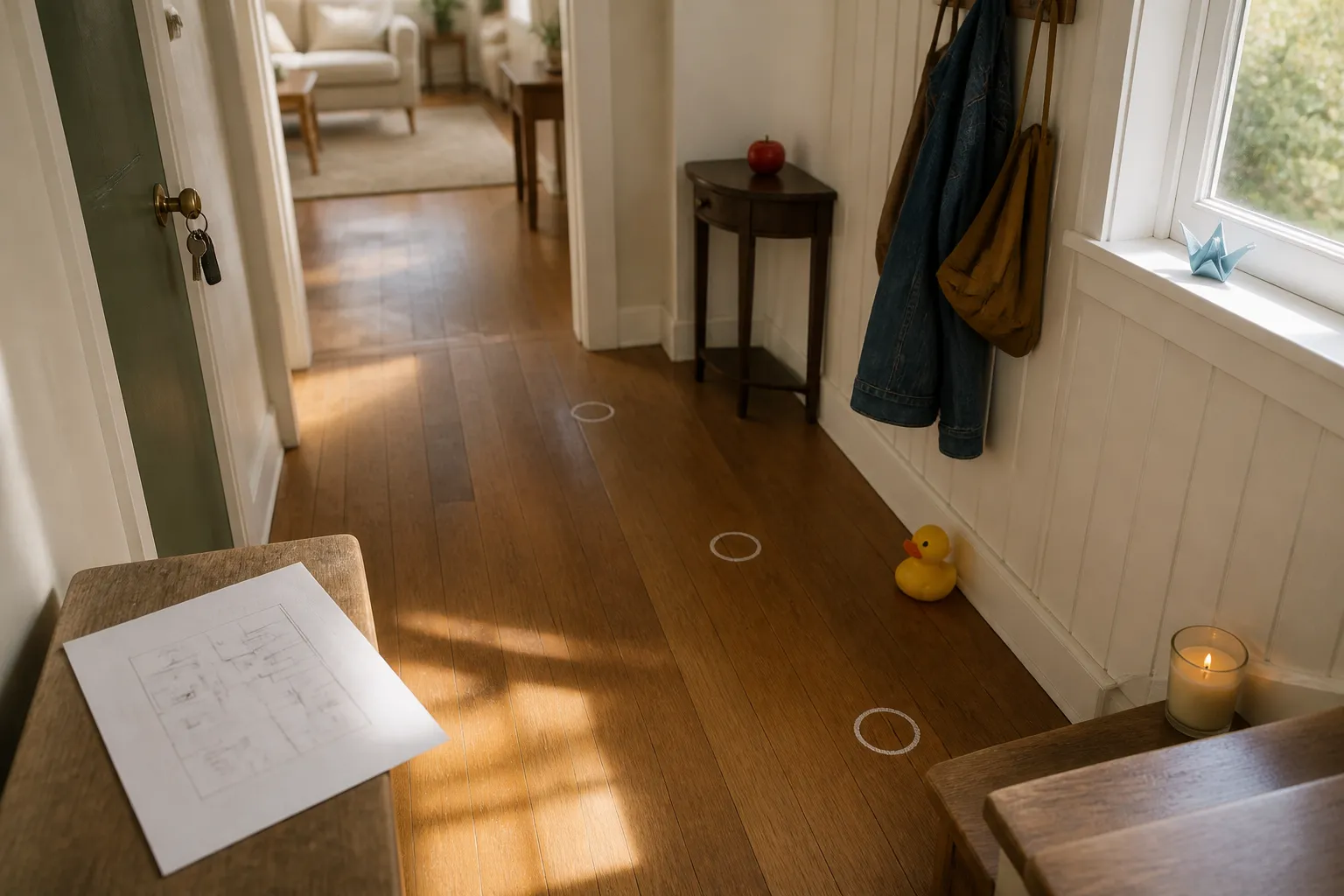
The sources do not say how to pick a place or how many stops to use. My suggestion, and it is only a suggestion, is to start with a place you could walk blindfolded, like your own front hall to kitchen. Keep the stops few. Five is plenty for a first try.
One piece of advice does have a source. National Geographic says associations stick better when they are weirder, more vivid, and more outrageous. So do not picture a polite egg. Picture it splitting open on your doormat.
- Pick five items, say eggs, a stamp, a bicycle, a candle, and a key.
- Put one vivid image at each stop. Eggs cracking on the doormat. A giant stamp stuck to the hall mirror.
- Walk the path in your head and name what you see.
What the 2019 Seton Hall thesis tested
Varilias asked a narrow question. Does a person's imagery skill change how well the method works? The thesis tested object imagery and spatial imagery separately, using a word list recall task. Object imagery is how well you picture individual things. Spatial imagery is how well you picture layouts and routes.
The thesis reports that object imagery skill predicted how many words people recalled. It also reports that spatial imagery skill predicted how well people kept the words in order. Those are two different jobs.
The excerpt gives those two findings and little else. There is no sample size and no effect size. So I will not tell you the method boosts recall by any particular amount. The source does not say.
Choosing between object and spatial imagery
That split suggests a practical move. Before you build, notice which kind of picture comes easier. If vivid objects come easily, spend your effort on strong, odd images. If routes and rooms come easily, lean on a clear, well-ordered path. This is my inference from the findings. Nobody tested it as advice.
It also helps to ask what you are memorizing. A shopping list needs vivid objects. A set of steps in a fixed order needs a clean route.
Limits of the evidence
Here is the honest part. My account of the research rests on one thesis. The line about numerous studies has no citations behind it in the excerpt. The sources say nothing on how long practice takes to produce gains, or whether the method works for long texts or numbers. They do not time a palace build at all, so the five-minute claim is my framing, not a documented result.
You may also see claims that the method helps with depression, PTSD, or cognitive decline. National Geographic reports those as emerging, and they are not established. A 2022 feasibility study explored a virtual reality memory palace, but I could not read its results, so I draw nothing from it.
Try the five-item exercise anyway. It costs you five minutes, and you will find out fast whether your own mind takes to it.