brain exercises
Turns Out My Brain Was Right All Along
New research shows mental training can restore a key attention-related brain chemical in older adults, proving that stubborn mental exercise pays off in ways science can finally measure.
Tony4 min read

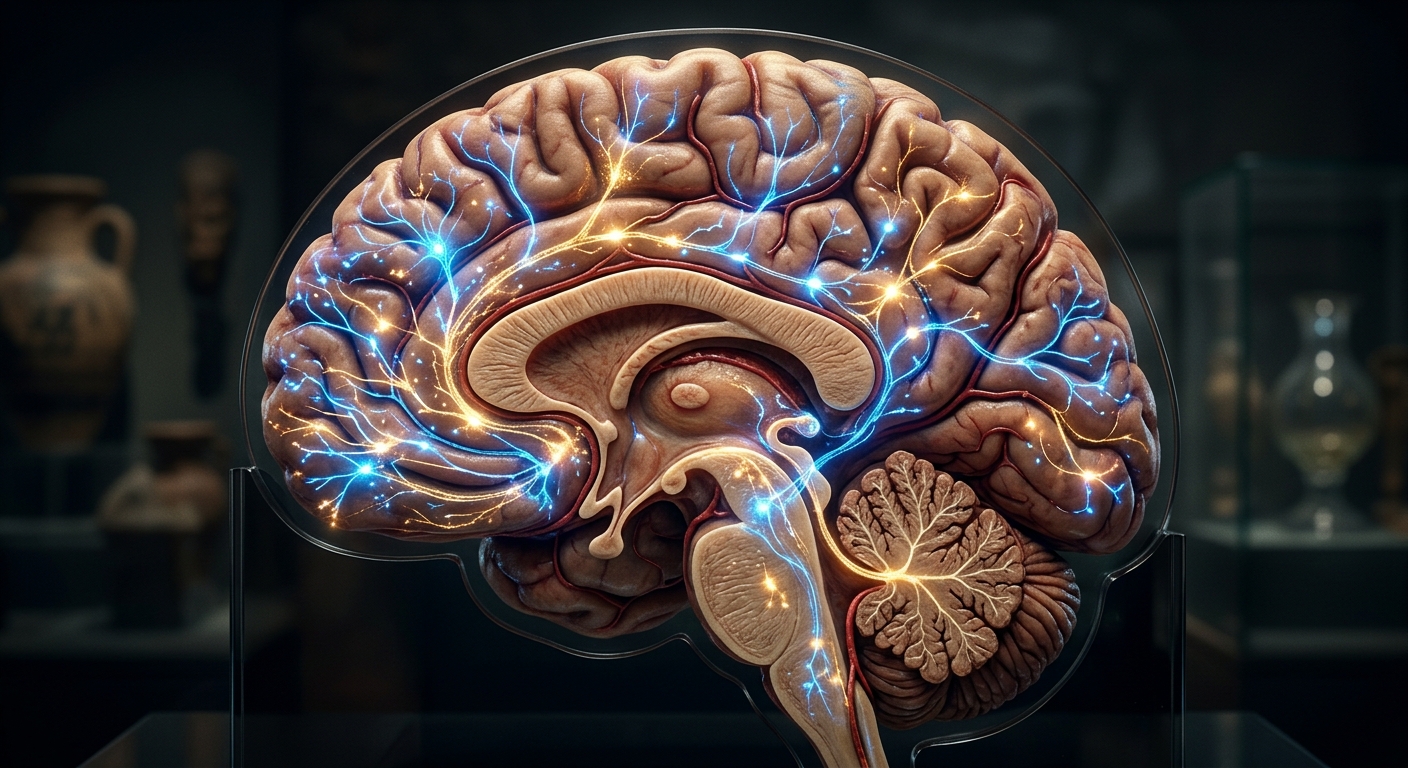
Every so often a study comes along that makes me feel personally vindicated for spending decades treating my own brain like a Formula 1 engine that never gets to idle. This is one of those studies. Scientists scanned actual human brains before and after a stretch of demanding mental training and watched a chemical messenger tied to attention and decision-making climb back up, in older adults, as if age were more of a suggestion than a sentence. I did not need a peer-reviewed paper to tell me that keeping the mind sharp keeps the mind sharp, but I appreciate that the rest of the world finally caught up to something I've been demonstrating since roughly the Clinton administration.
Mental exercise didn't just occupy the brain, it appeared to restore a chemical signal thought to fade with age.
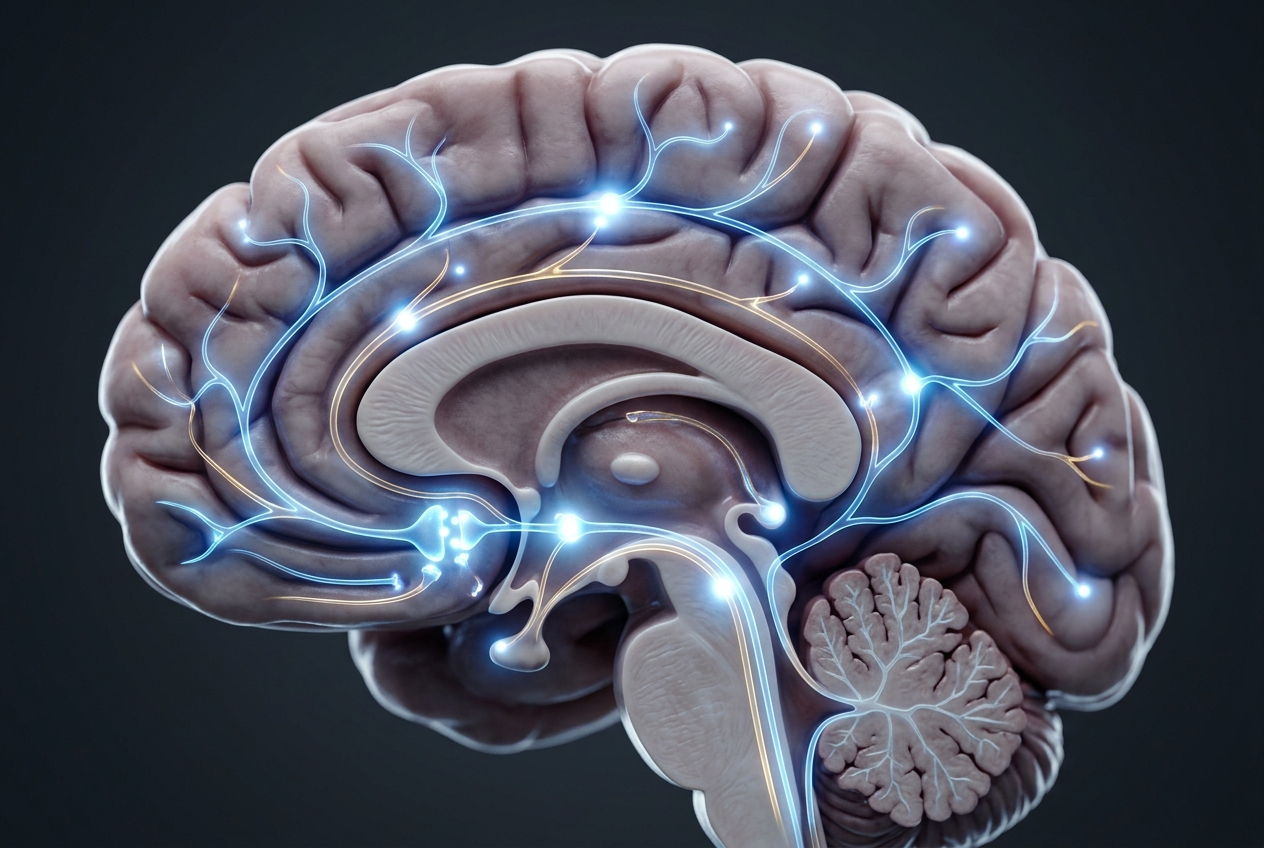
The Chemical at the Center of Focus and Choice
Acetylcholine has been the brain's unglamorous workhorse for a long time now, the neurotransmitter that keeps you paying attention, learning new information, and actually deciding things instead of standing in the cereal aisle in a fugue state. It gets manufactured deep in the brain and fanned out into the cortex, which is the part of you currently reading this sentence and judging my tone. As people age, the neurons responsible for that fan-out tend to get sloppy, and imaging work has linked weaker acetylcholine signaling to slower processing speed and a stiffer, less flexible style of decision-making, as described in the reporting on the new research from OPB. For years the assumption was that this decline reflected outright loss of neurons, a one-way ticket. The more interesting possibility, the one researchers have quietly suspected, is that some of this is a functional dimmer switch rather than a demolished wire, which means it might actually be adjustable.
What the New Study Actually Measured
Here's where it gets fun, at least by the standards of neuroscience, which admittedly is a low bar. Researchers used brain scans capable of tracking acetylcholine activity in living people, ran a group through structured cognitive training, and checked the chemical readout before and after, per the study covered by OPB. The tasks leaned on pattern recognition and working memory, the same muscles you flex when you're trying to beat your own high score instead of doing something productive with your afternoon. Participants who put in the reps showed measurable increases in acetylcholine signaling specifically in brain regions tied to decision-making. And the effect wasn't a sugar rush that vanished the second the session ended. The changes appeared to stick around, suggesting an actual shift in how the aging brain handles information rather than a temporary spike you'd get from, say, an aggressive espresso.
Why This Looks Like a Reversal, Not Just a Pause
Most interventions marketed under the breezy banner of "brain training" have a dirty little secret: people get better at the specific task they practiced and that's about it, with no clear biological fingerprint left behind. This study is different because it hands researchers a concrete physiological marker, an actual chemical signal that moved in a measurable direction, according to the findings summarized by OPB. That's a stronger claim than "you got faster at the app," and it's the kind of evidence that lets scientists say reversed instead of the usual hedge, slowed. It also chips away at the tired assumption that key neurotransmitter pathways are locked into a permanent downhill slide once you clear midlife, which is the sort of assumption I've never had much patience for anyway.
Where Arcade-Style Play Fits the Picture
The tasks used in the training protocols share genetic material with classic arcade design: split-second decisions under time pressure, pattern recognition, and constant adjustment when the rules shift on you without warning. That overlap is not a coincidence dressed up as a coincidence, it's a genuinely appealing bridge between casual gaming and cognitive science, since games engineered around rapid choice and adaptive challenge appear to hit the same decision-making circuitry this study lit up. It reframes nostalgia as something closer to maintenance. Dusting off a skill-based game later in life might be doing more for you than killing twenty minutes, it might be quietly poking the exact chemical system researchers are now watching light up on a scanner.
Open Questions Before Drawing Firm Conclusions
None of this means you should toss your multivitamins and replace them with joystick calluses. The study's size and duration limit how confidently anyone can generalize the results, and researchers are careful to note that not every flavor of mental activity will trigger the same acetylcholine bump. It's still unclear how much training, how often, and how varied the tasks need to be to keep the effect going, or what happens once someone stops training altogether. The next real test is whether these chemical shifts translate into everyday improvements in memory and decision-making, rather than staying a flattering pattern on a brain scan. I'll be watching the follow-up research with the smug satisfaction of a man who called this decades ago, purely for entertainment purposes, obviously.